Adaptive Algorithms Transforming Slot Experiences Through Instant Player Data Analysis
Alex Coleman · Jun 3, 2026
Adaptive Algorithms Transforming Slot Experiences Through Instant Player Data Analysis
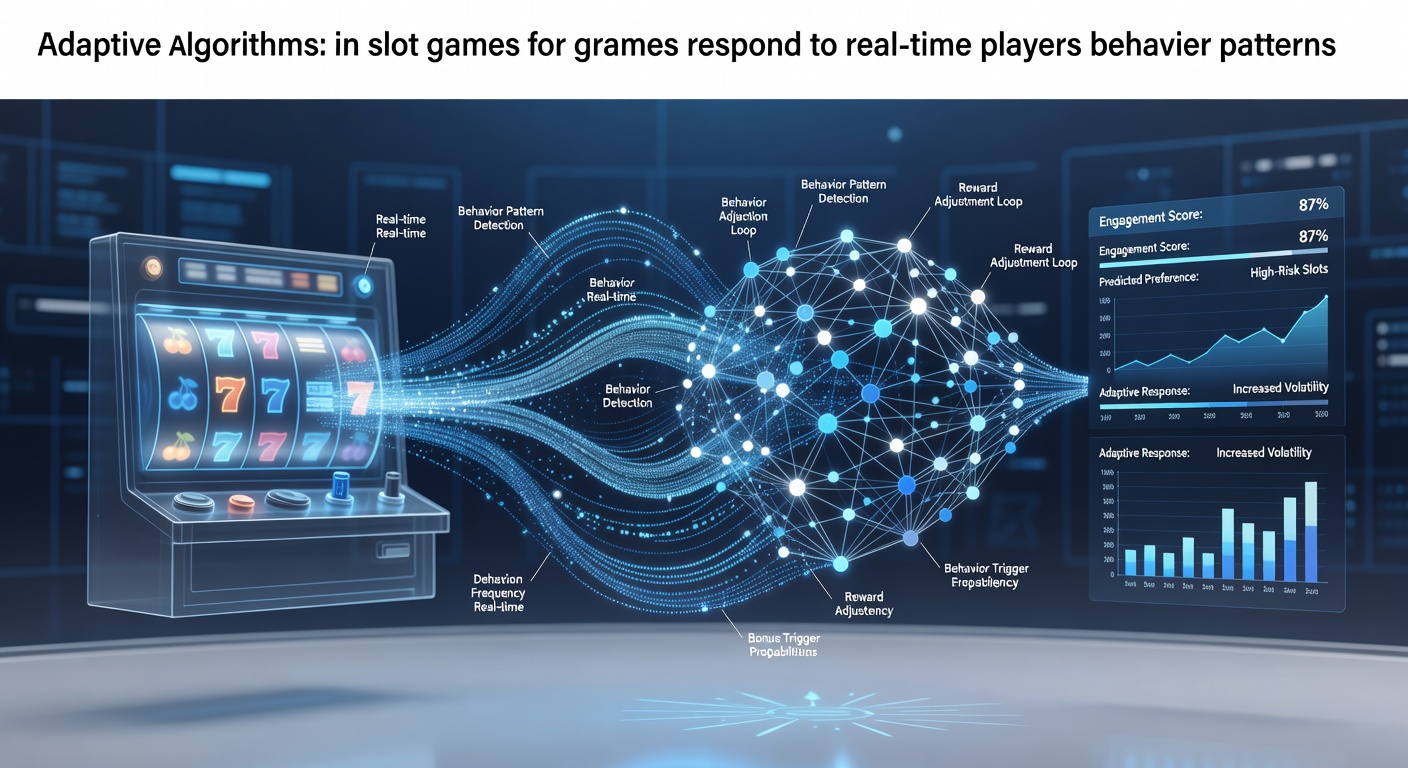
Slot platforms now incorporate adaptive algorithms that monitor player actions during active sessions, then modify certain game elements in response to detected patterns like bet sizing, spin frequency, and session duration. These systems collect data points from individual accounts, analyze them against historical trends, and implement changes that affect feature triggers or visual feedback without altering core random number generator outputs.
Data Collection Mechanisms in Live Play Sessions
Operators deploy tracking modules that log every interaction, from coin denomination selections to pauses between spins, while compliance teams ensure these processes align with regional licensing rules. In June 2026 updates from multiple jurisdictions, regulators noted increased adoption of such tools across online platforms, with data flowing into centralized servers for immediate processing. Researchers at institutions like the University of Nevada, Las Vegas have examined how these inputs feed into machine learning models that identify clusters of behavior, such as high-volatility preference signals or rapid exit patterns after losses.
Algorithms categorize players into segments based on metrics including average wager per spin and total session length, then apply predefined response rules. For instance, extended periods of low activity might prompt subtle interface adjustments like highlighting upcoming bonus opportunities, whereas consistent high-stakes play could lead to accelerated reel animations in some titles. These modifications remain cosmetic or promotional in nature, preserving the integrity of payout percentages as verified through independent testing labs.
Response Protocols and Feature Adjustments
Once patterns emerge, the algorithms trigger targeted responses that include altering the presentation of mystery symbols or modifying the speed of bonus wheel spins to match observed engagement levels. Industry reports from the Nevada Gaming Control Board indicate that such adaptations help maintain player attention across mobile and desktop environments without deviating from certified game mathematics. What's interesting is how these systems cross-reference real-time inputs with broader population data to refine their predictive accuracy over successive sessions.
Take one case where developers integrated behavior-responsive code into cluster-pay titles; when data showed frequent small-bet players shifting toward longer sessions, the algorithm increased the visibility of group win animations to sustain momentum. External audits confirm that random outcomes stay unaffected, while the surrounding experience elements evolve dynamically. Observers note that this approach differs from static game designs by allowing continuous calibration within approved parameters.

Regulatory Frameworks and Technical Standards
Authorities across North America and Europe require transparency in how adaptive systems operate, with mandatory reporting on any changes that influence player-facing elements. Data shows that by June 2026 several testing agencies had expanded their certification protocols to include reviews of machine learning components used in live environments. These standards ensure that responses to behavior patterns do not introduce unintended biases or exceed licensed variance limits.
Links to authoritative sources provide further context: the Nevada Gaming Control Board publishes guidelines on algorithmic oversight, while research from the University of Nevada, Las Vegas explores data analytics applications in gaming technology. Compliance teams at operators routinely submit logs demonstrating that adaptations stay within boundaries set by these bodies.
Implementation Examples Across Platforms
Multiple providers have rolled out titles where adaptive layers respond to detected win-streak behaviors by modulating sound cues or reel stop sequences, all while maintaining fixed return-to-player values. Studies from European research consortia highlight how these adjustments occur within milliseconds, creating seamless transitions that players rarely notice as system-driven. Figures reveal growing integration in both land-based terminals and remote servers, particularly in markets emphasizing responsible gaming tools.
One documented implementation involved tracking consecutive losses and responding with temporary display enhancements to free spin counters, encouraging continued play under regulated conditions. Such cases illustrate the balance between personalization and strict adherence to fairness requirements enforced by oversight organizations.
Conclusion
Adaptive algorithms continue to evolve as data processing capabilities advance, enabling slot systems to respond directly to live player patterns while operating under established regulatory controls. Technical documentation and audit records confirm that core randomness remains intact across implementations, with changes limited to engagement-related aspects. Ongoing developments through 2026 suggest further refinements in how these tools integrate with existing platform architectures.