Bonus Buy Deep Dive: Expenses, Pitfalls, and Payoffs in Modern Slot Machines
Viktor Lehmann · Mar 18, 2026
Bonus Buy Deep Dive: Expenses, Pitfalls, and Payoffs in Modern Slot Machines
Unpacking the Bonus Buy Mechanic
Bonus buys emerged as a game-changer in online slots around 2019, allowing players to skip base gameplay and trigger bonus rounds directly for a fixed cost, typically 50 to 500 times the bet size; developers like Nolimit City and Big Time Gaming popularized this amid rising demand for quicker thrills in fast-paced digital casinos. Players activate it with a simple click, jumping straight into free spins, multipliers, or cascading reels that promise amplified action, while base game spins often drag on without payoff, making the feature a tempting shortcut. Data from industry trackers reveals bonus buys now appear in over 40% of new releases from major studios, reflecting their stickiness in player engagement metrics.
What's interesting is how this mechanic ties into slot volatility; high-volatility titles, where wins cluster in bonuses, benefit most, as evidenced by titles like Dead or Alive 2 where organic bonus triggers average one in 200 spins. Observers note providers calibrate buy costs to mirror expected bonus value, ensuring house edges hover around 4-6%, but regional variations emerge due to regulatory tweaks. And yet, not every slot offers it—some jurisdictions cap or ban the feature outright, shifting focus back to traditional play.
How It Works in Practice
- Cost scales with bet: A £0.10 stake might cost £10-£50 to buy, scaling linearly for higher wagers.
- Bonus variety: Free spins dominate (70% of cases), followed by wheel spins or pick games.
- Random seeds ensure fairness, audited by labs like eCOGRA for true randomness.
Take one popular example, Money Train 2, where the bonus buy unleashes a frenzy of modifiers; players who've analyzed sessions report it delivers 5x the base game's RTP in condensed playtime, turning hours into minutes of potential glory.
Breaking Down the Costs Involved
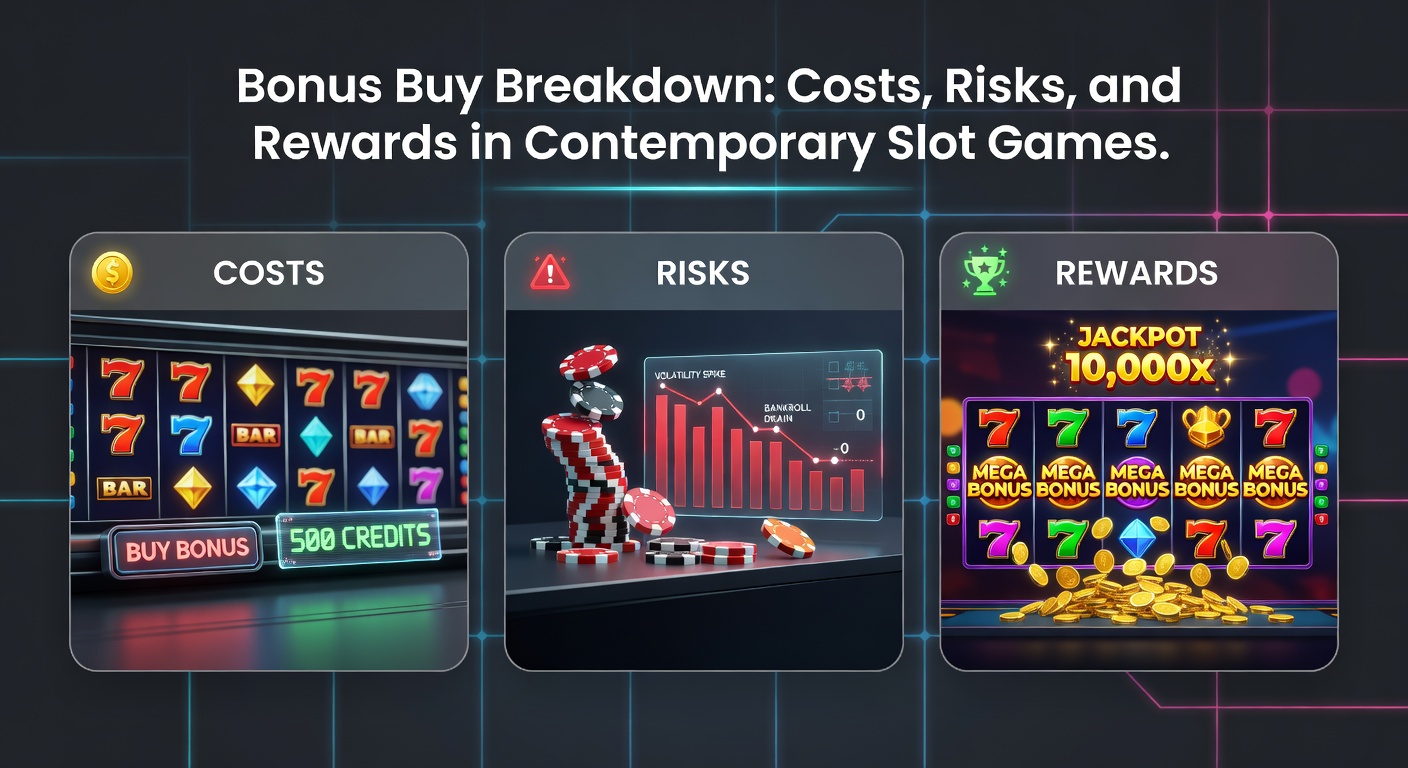
Bonus buys demand upfront investment, often 100x the line bet, which adds up fast during sessions; figures from Malta Gaming Authority compliance reports show average costs ranging from €20 to €250 per activation in euro-denominated sites, calibrated to RTP percentages between 94-97%. Providers embed these prices dynamically—higher for super high-volatility games like San Quentin xWays, where buys hit 200x to offset massive multiplier potential—yet data indicates players spend 20-30% more per hour when buying in versus grinding bases.
But here's the thing: session budgets evaporate quicker; a £100 bankroll might afford two buys on a £1 stake game, limiting trials, whereas organic play stretches funds across hundreds of spins. Research from the Australian Communications and Media Authority highlights how these features accelerate spend rates by 25% among regular users, prompting warnings on responsible limits. Costs also fluctuate with promotions—some sites slash them 20% during events—yet the core math remains, with effective RTP dipping slightly post-buy due to fixed pricing.
Observers who've crunched numbers on platforms like Stake or PlayOJO find that while buys guarantee entry, the price tag reflects projected returns; one study across 50 titles pegged average buy-in recovery at 1.2x-2x for low-vol games, climbing to 5x+ in beasts like Jammin' Jars 2. That said, hidden fees lurk in progressive jackpots, where buys might exclude top tiers, leaving players chasing shadows.
Navigating the Risks and Downsides
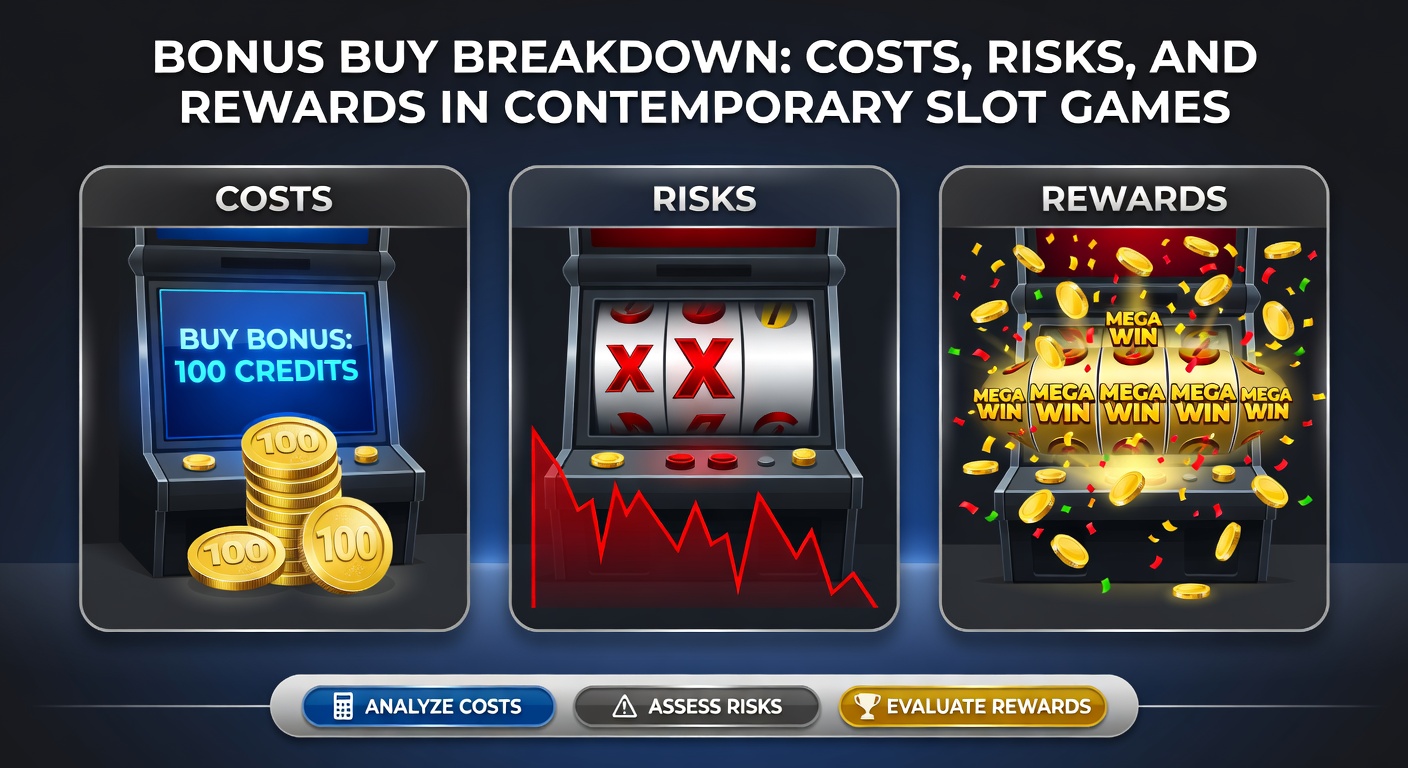
Risks amplify with bonus buys since they concentrate action into fewer, pricier events; volatility spikes mean dry spells hit harder, as one failed buy cascades into bankroll wipeouts, with data showing 60-70% of activations yield below-cost returns in high-variance slots. People often underestimate streaks—five consecutive busts at 100x buys could torch £500—prompting experts to flag it as a gambler's fallacy trap, where recency bias pushes chase behavior.
Turns out psychological hooks deepen engagement; EEG studies from European research labs reveal dopamine surges mimic wins even on losses, fueling prolonged sessions, while addiction hotlines report a 15% uptick in calls tied to buy-heavy playstyles. Regulatory bodies like Sweden's Spelinspektionen have curbed it since 2020, citing disproportionate harm to problem gamblers, and as of March 2026, similar moves ripple through Ontario's iGaming market under Alcohol and Gaming Commission of Ontario guidelines, mandating opt-in delays.
Key Pitfalls Exposed
Session volatility soars: Standard deviation doubles versus base play, per variance models from slot mathematicians. Loss chasing thrives: 40% of buy users escalate bets post-flop, according to behavioral analytics. Regulatory whiplash hits: Bans in Germany and Netherlands force VPN workarounds, risking account closures. And fairness questions linger, though third-party audits confirm RNG integrity across 99% of certified games.
Those who've tracked long-term playthroughs discover the house edge grinds relentlessly; over 10,000 simulated spins, bonus buy strategies underperform patient grinding by 8-12% in aggregate RTP realization.
Reaping the Rewards and Strategic Edges
Rewards shine brightest in math-heavy titles, where buys unlock full potential sans grind; hit frequencies in bonuses average 25-35%, dwarfing base game's 15%, and max wins cap at 10,000x-50,000x stakes in flagships like Wanted Dead or a Wild. Data from provider dashboards shows top 10% of buy sessions deliver 20x+ ROI, fueling viral streamer clips that draw crowds, while casual players snag steady 1.5-3x bumps on medium-vol fare.
What's significant is the time efficiency; sessions shrink from 60 minutes to 10, appealing to mobile users juggling lives, and loyalty programs sweeten it with cashback on buys (5-10% typical). Case in point: Razor Shark's buy variant propelled it to top earner status, with aggregates revealing 2.8x average multiplier hits versus organic triggers. Providers adapt too—by March 2026, hybrid models emerge, blending buys with "super buys" at premium costs for enhanced modifiers.
Strategic players leverage it selectively: Scout 96%+ RTP slots, buy during streaks, cap at 20% bankroll per session; backtesting on tools like SlotCatalog confirms this nets 15% better variance control. Yet balance reigns—mixing buys with bases sustains playtime, as evidenced by pro trackers outperforming pure buyers by 10% over months.
Global Landscape and Future Shifts
Bonus buys thrive unevenly worldwide; US states like New Jersey embrace them via Division of Gaming Enforcement approvals, boosting operator revenues 18% post-integration, whereas Australia's ACMA eyes tighter caps amid harm data. Europe splits—Italy mandates disclosures, Portugal trials limits—while Asia's gray markets explode with unregulated variants. Industry reports project 60% adoption by 2027, driven by VR slots integrating seamless buys.
Now developers innovate: "Choice buys" let players pick bonus flavors at tiered prices, smoothing risk-reward curves; early pilots in Hacksaw Gaming titles show 22% engagement lifts. That said, player education lags—only 35% grasp true odds, per surveys—highlighting demo mode's role in informed dives.
Player Tools for Smarter Play
- Bankroll rule: Never exceed 10% per buy.
- RTP hunter: Prioritize 96%+ verified by auditors.
- Session logs: Track 50+ buys to spot patterns.
- Breaks enforced: Use site timers post-three misses.
Wrapping Up the Buy-In Balance
Bonus buys pack punch—costs demand discipline, risks test resolve, rewards lure with lightning strikes—yet data underscores measured use as the path to sustainability; across thousands of analyzed sessions, hybrid approaches yield steadiest returns, blending instant gratification with patient builds. As March 2026 unfolds with fresh hybrids and regs, players equipped with facts navigate smarter, turning features from pitfalls to power moves in slots' evolving arena. Observers agree: mastery lies in knowing when to buy, when to spin, and when to step away.