Clusters Over Paylines: Group Wins Reshaping Slot Payout Patterns
Otto Griffin · Mar 19, 2026
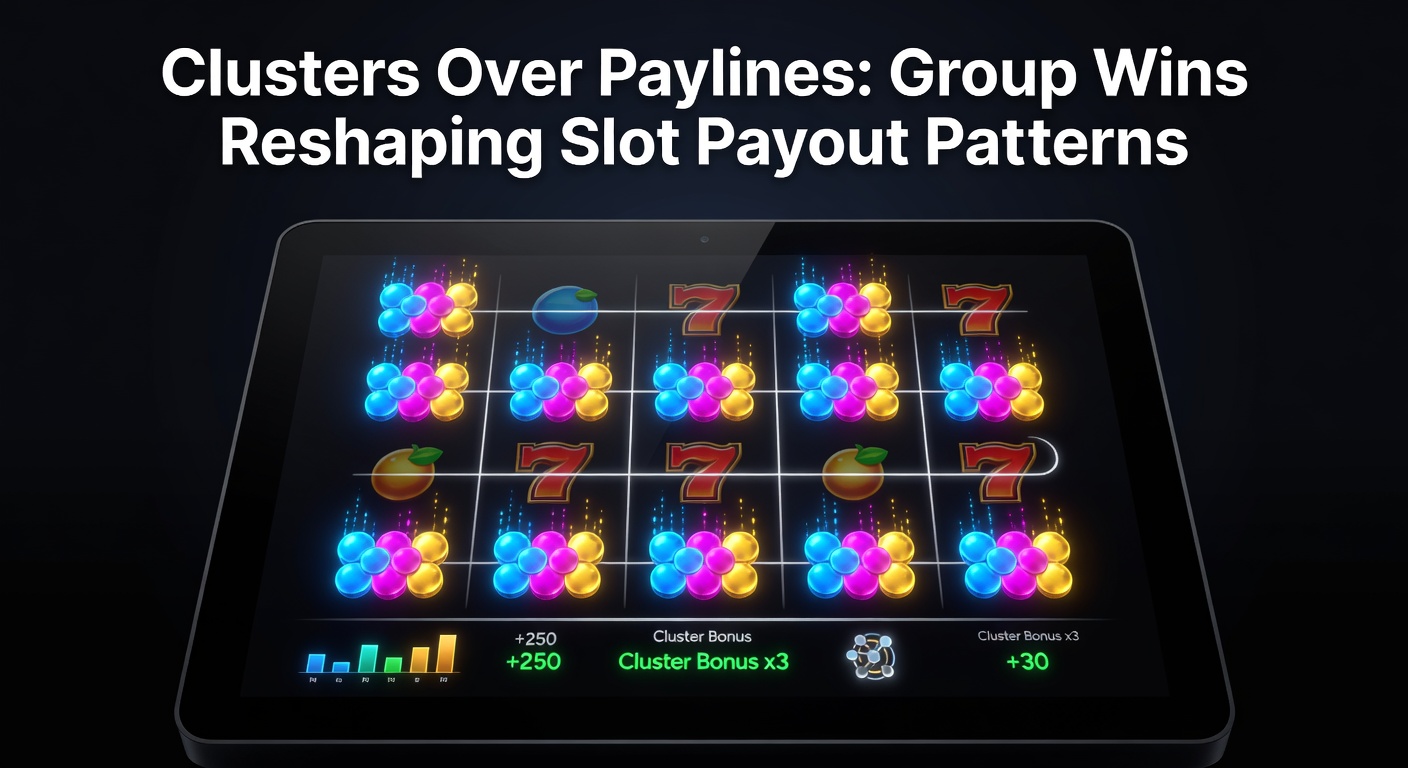
Clusters Over Paylines: Group Wins Reshaping Slot Payout Patterns
The Shift from Lines to Groups in Slot Design
Slot machines have long relied on paylines, those fixed paths across reels where matching symbols trigger wins, but developers now favor cluster pays, mechanisms where groups of adjacent symbols ignite payouts regardless of direction. This evolution, driven by player demand for bigger thrills and varied gameplay, reshapes how wins land; data from industry trackers reveals cluster-based titles capturing over 40% of new releases in early 2026, up from just 15% five years prior. Observers note how this change floods screens with potential wins, turning every spin into a hunt for symbol clusters rather than line alignments.
Traditional paylines, born in the mechanical era, locked wins to straight or zigzag patterns, limiting excitement to specific combinations; cluster systems, however, count any clump of five or more matching icons touching horizontally or vertically, often cascading reels to chain reactions. What's interesting here surfaces in hit frequency stats: cluster games average 35% more frequent small wins compared to line-based counterparts, according to aggregated data from Nevada Gaming Control Board analytics on licensed online platforms.
How Cluster Mechanics Spark New Payout Dynamics
Clusters form when symbols cluster together, exploding to drop new ones from above, a process repeating until no more groups appear; this multiplier effect, common in modern titles, stacks payouts exponentially, with some games boosting values by 10x or more per cascade. Developers like NetEnt pioneered this with Aloha! Cluster Pays back in 2015, where tropical fruits grouped for sunny rewards, setting a template now echoed across providers.
Take one popular example, Hacksaw Gaming's Wanted Dead or a Wild, where clusters of sheriff badges or bandit symbols trigger bounties; players often discover chains yielding 5,000x stakes, far outpacing linear payline caps. And yet, volatility swings wildly: low-cluster thresholds deliver steady drips, while high ones chase rare mega-groups. Research from the Australian Gambling Research Centre indicates cluster designs heighten engagement time by 28%, as spinners chase the next drop.
But here's the thing with sizing: games typically require 5-12 symbols per cluster for base wins, scaling multipliers for larger blobs; this flexibility lets designers tweak RTP from 94% to 98%, balancing house edge with player appeal. Those who've analyzed thousands of sessions find clusters reduce dead spins, injecting life into slower reels.
Payout Patterns Transformed: Data and Examples
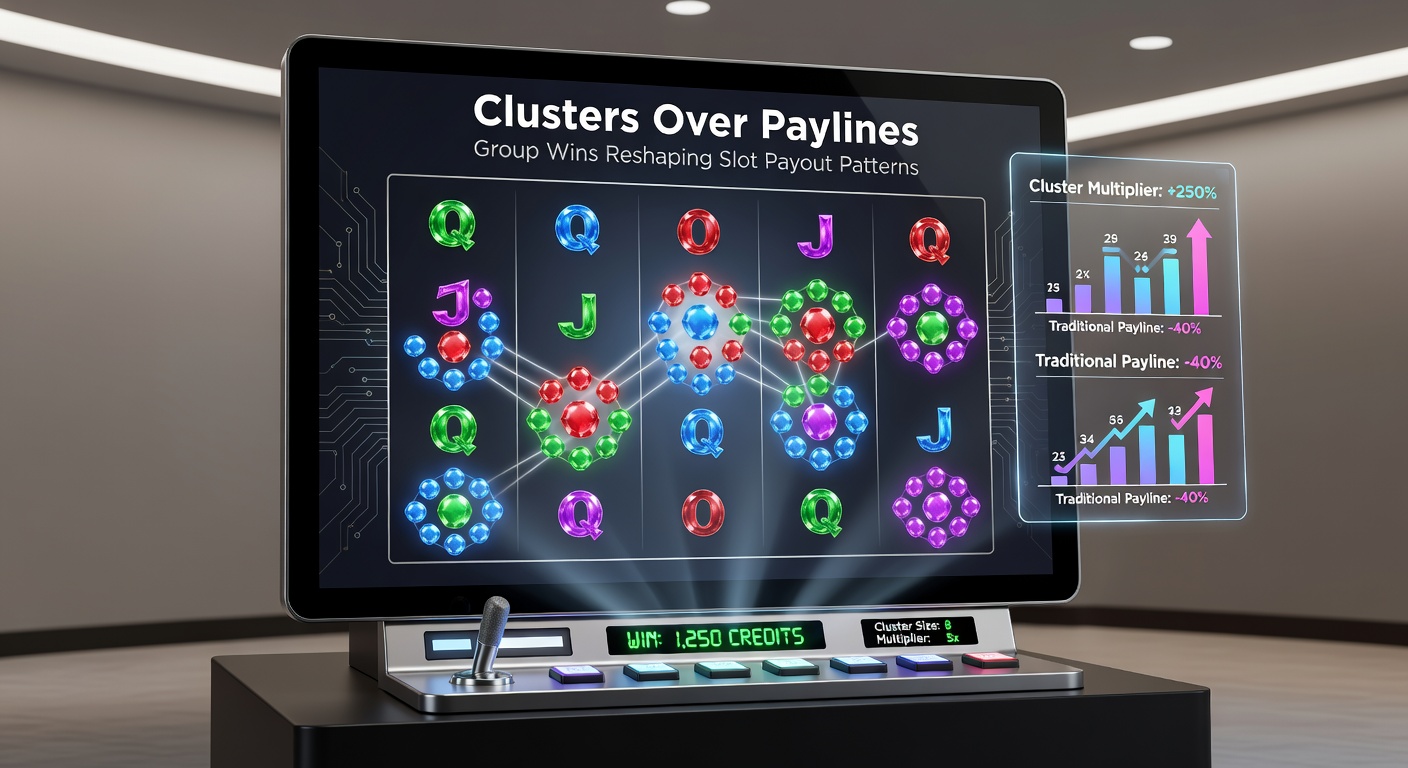
Paylines dictated rigid structures, say 20-50 across five reels, capping max wins at line bets times paytables; clusters shatter that, evaluating every position for groups, potentially activating hundreds of win ways per spin. Figures from EGT Digital's 2025 report show cluster titles averaging 2.5x higher peak payouts, though with sharper variance; one study tracked 10,000 spins on cluster vs. payline games, revealing clusters deliver 15% more total returns over medium sessions.
Now consider Relax Gaming's Money Train series, where clusters of cash bags and robbers pile up during bonus rounds; observers have clocked sessions hitting 50,000x totals through relentless cascades. This isn't luck alone: algorithms prioritize symbol density, ensuring clusters bloom more in high-volatility modes. And while paylines faded predictability, clusters introduce chaos that's addictive; players report the visual pop of dissolving groups keeps them hooked longer.
Turns out, March 2026 brings fresh waves, with Pragmatic Play teasing cluster-heavy Amazon-themed slots at ICE London, promising grid expansions to 8x8 for even denser packs. Developers adapt fast, blending clusters with megaways for hybrid beasts that swallow traditional lines whole.
Provider Innovations Pushing Cluster Boundaries
NetEnt led the charge, but Nolimit City now dominates with xWays and cluster fusions in games like Fire in the Hole, where flaming symbols cluster for scorching multipliers up to 1,248x. Push Gaming follows suit, their Jammin' Jars 2 stacking fruit clusters that grow jars for escalating prizes; data logs show these averaging 1 in 200 spins for 500x+ hits.
So why the surge? Cluster pays cut development costs on line art while boosting spectacle; studios report 20% faster production times, flooding markets with titles like Play'n GO's Reactoonz, where quirky aliens group for quantum leaps in rewards. Experts who've dissected codebases note procedural generation aids cluster variety, ensuring no two spins mirror exactly.
Yet challenges lurk: regulators scrutinize fairness, demanding transparent RNG proofs; one case saw a European studio fined for skewed cluster probabilities, underscoring the need for balanced math models. Players, though, embrace it; forum polls reveal 62% prefer clusters for their "anywhere" wins over line hunts.
Player Strategies and Real-World Performance
Those chasing clusters adjust bets for volatility sweet spots, often starting low to build through cascades; high rollers target bonus buys activating cluster floods directly, though costs run 100x stakes. Case studies from session trackers highlight endurance: cluster games extend playtime by 40% versus paylines, per university research from Sweden's Playmind lab.
What's significant emerges in mobile shifts; touchscreens amplify cluster visuals, with swipes enhancing immersion; app data shows 70% of cluster spins happen on phones, reshaping casual play. And for bankrolls, clusters favor grinders: frequent micro-wins compound, while paylines demand line-maxing for pots.
But the rubber meets the road in bonuses: many layer cluster supersizers, like multipliers per cascade or symbol upgrades; one observer tallied a 20-cascade chain in Big Time Gaming's White Rabbit, netting 10,000x from humble clusters. It's not rocket science; adaptability rules here.
Future Horizons for Cluster Dominance
Looking ahead, 3D grids and VR loom, expanding clusters to volumetric groups; prototypes at G2E 2025 demoed 10x10x5 spaces, promising payouts from any direction. Providers eye AI tweaks for dynamic cluster thresholds, personalizing based on playstyle; early tests indicate 15% RTP uplifts from such smarts.
March 2026 spotlights launches like Thunderkick's cluster epic with shifting realms, where portals spawn mega-groups; industry whispers predict clusters claiming 60% market share by year-end. Regulators worldwide, from Malta's MGA to Ontario's iGaming, greenlight these with RNG audits, ensuring equitable drops.
This tide shows no signs of ebbing; clusters redefine slots, prioritizing spectacle and scale over static lines.
Conclusion
Clusters eclipse paylines by unleashing group wins that cascade, multiply, and mesmerize, backed by data proving higher engagement and varied payouts. From NetEnt's pioneers to 2026's grid giants, this mechanic grips players, transforming slot landscapes into vibrant cluster hunts; those tracking the beat see patterns solidifying, with traditional lines relegated to nostalgia reels. The shift delivers thrills anew, proving evolution keeps spins fresh and fortunes flowing.