Exploring Audio Design's Impact on Payout Anticipation Within Reel Entertainment Systems
Alex Coleman · Jun 6, 2026

Exploring Audio Design's Impact on Payout Anticipation Within Reel Entertainment Systems
Modern reel entertainment platforms rely on carefully crafted audio layers to guide player attention and build tension around potential payouts, and developers integrate layered soundtracks that sync with reel movements and symbol alignments. Sound designers work with software engineers to create dynamic audio responses that intensify when reels slow down or when special symbols appear, creating a feedback loop that heightens focus during critical moments. Research from the University of Nevada's gaming technology lab shows how these audio cues influence timing perception and decision-making patterns across digital interfaces.
Core Elements of Audio in Reel Platforms
Reel acceleration produces low-frequency hums that shift into higher pitches as spins decelerate, while win indicators employ ascending chimes that vary in complexity based on payout size. Background tracks maintain steady rhythms during base gameplay yet introduce subtle variations when bonus rounds approach, and these shifts help players track progress without visual overload. Developers adjust volume curves and frequency ranges to match device capabilities, ensuring consistent delivery whether users access platforms through desktop setups or portable screens.
Audio synchronization extends to haptic feedback on mobile devices, where vibration patterns align with reel stops and audio peaks to reinforce payout anticipation. Engineers test these combinations across multiple hardware configurations to maintain reliability, and data from industry reports indicate improved session continuity when audio and tactile elements coordinate effectively.
Building Anticipation Through Layered Sound Design
Anticipation mechanics often feature rising musical motifs that accompany reel deceleration phases, and these motifs reach crescendos precisely when final symbols lock into position. Sound teams layer additional elements such as metallic clinks for scatter symbols or digital pulses for multiplier activations, each calibrated to signal increasing payout potential. Observers note that such layering encourages sustained attention during sequences where outcomes remain uncertain for several seconds.
Platforms released after 2024 have incorporated adaptive audio systems that respond to individual session data, adjusting intensity based on recent win frequency and bet levels. These systems draw from player interaction logs to modulate sound prominence, though regulatory frameworks in various regions continue to evaluate transparency requirements around such personalization features.
Technical Implementation Across Devices
Cross-platform compatibility demands that audio files compress efficiently without losing the dynamic range needed for payout signaling, and developers utilize adaptive streaming protocols to handle variable network conditions. June 2026 marks the scheduled rollout of updated audio standards from several international gaming associations that emphasize clearer separation between ambient tracks and event-driven sounds. These updates aim to support emerging hardware while preserving the core function of guiding payout anticipation.
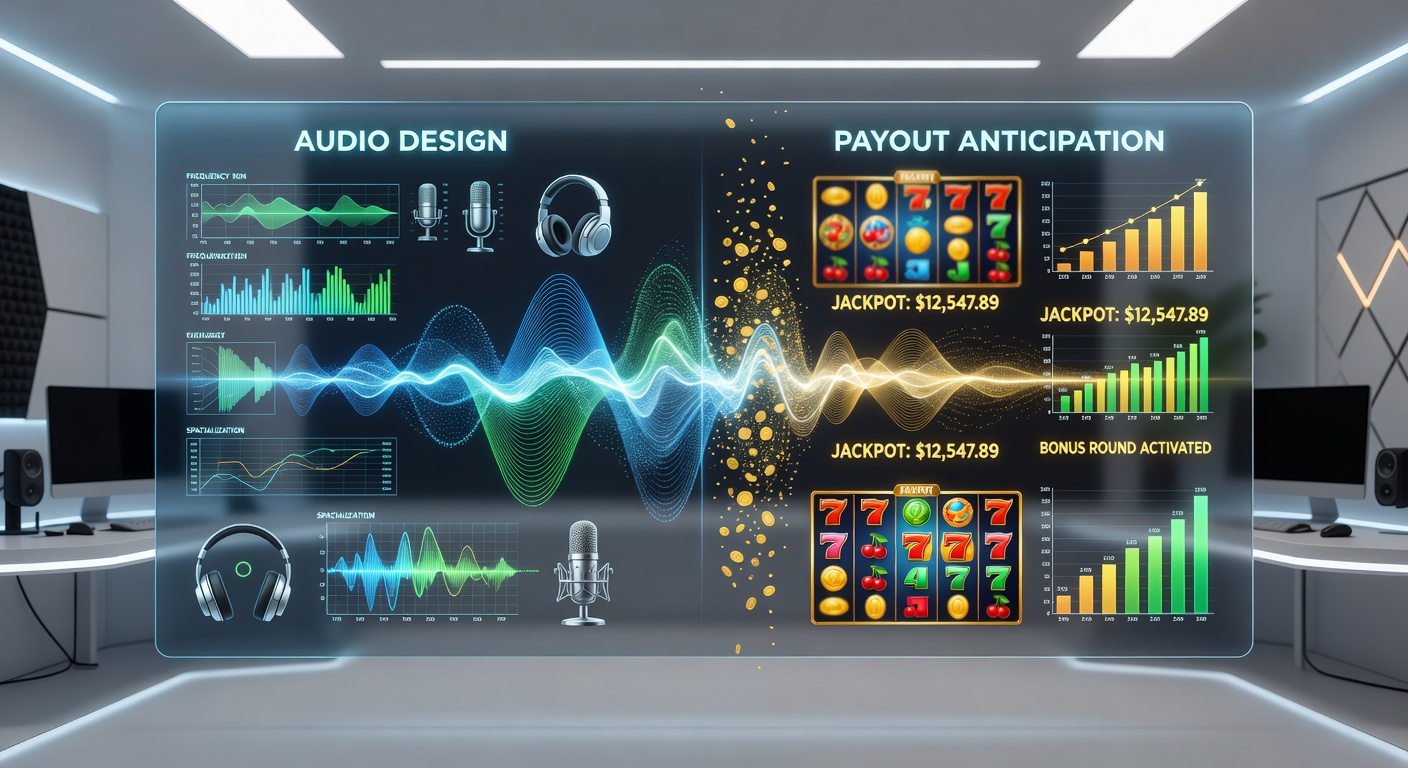
Integration testing occurs in controlled environments where researchers measure response times between audio triggers and player actions, and findings from Canadian gaming research centers reveal measurable differences in engagement duration when audio design prioritizes payout-related cues. Engineers refine these elements through iterative cycles that incorporate user telemetry while adhering to accessibility guidelines for volume control and frequency balance.
Regulatory Context and Industry Standards
Regional authorities beyond the UK, including bodies in Australia and parts of North America, have examined how audio influences player behavior, and reports from the Australian Communications and Media Authority highlight ongoing reviews of sound design practices in licensed platforms. Industry organizations such as the European Gaming and Betting Association publish guidelines that encourage balanced audio implementation to support responsible engagement patterns. These documents stress the importance of consistent audio signaling across different payout tiers without creating unintended reinforcement loops.
Technical audits verify that audio does not override user-set preferences or interfere with mandatory pause mechanisms, and compliance teams review sound libraries during platform certification processes. Data compiled by research institutions indicates that platforms meeting these evolving standards maintain stable player retention metrics across diverse markets.
Future Directions in Audio and Reel Design
Emerging technologies such as spatial audio rendering allow platforms to position sounds directionally within virtual environments, and this approach adds depth to payout anticipation by simulating physical proximity to winning combinations. Developers experiment with procedural generation techniques that create unique sound variations for each spin cycle while preserving recognizable cues for common events. Academic studies continue to track how these advancements affect cognitive load and outcome recognition in prolonged sessions.
Collaboration between audio specialists and data analysts drives refinements that align sound profiles with payout frequency distributions, ensuring that rarer high-value outcomes receive distinctive yet proportionate audio treatment. Such work supports platform evolution while meeting technical and regulatory benchmarks scheduled for implementation in coming years.
Conclusion
Audio design functions as an integral component of payout anticipation mechanics in contemporary reel platforms through synchronized layering, device-adaptive delivery, and data-informed adjustments. Industry reports and academic findings demonstrate measurable effects on player attention patterns when these elements coordinate with visual and mechanical features. Continued development aligns with standards from multiple regulatory regions and research bodies, supporting consistent performance across hardware types and session lengths.