Exploring Bonus Mechanics and Their Impact on Player Loyalty in Slot Offerings
Otto Griffin · Jul 18, 2026
Exploring Bonus Mechanics and Their Impact on Player Loyalty in Slot Offerings
Slot developers have long experimented with bonus round structures because these features directly influence how players return to games over extended periods, and data from industry analyses reveal consistent patterns in engagement metrics across different markets.
Core Structures Defining Modern Bonus Rounds
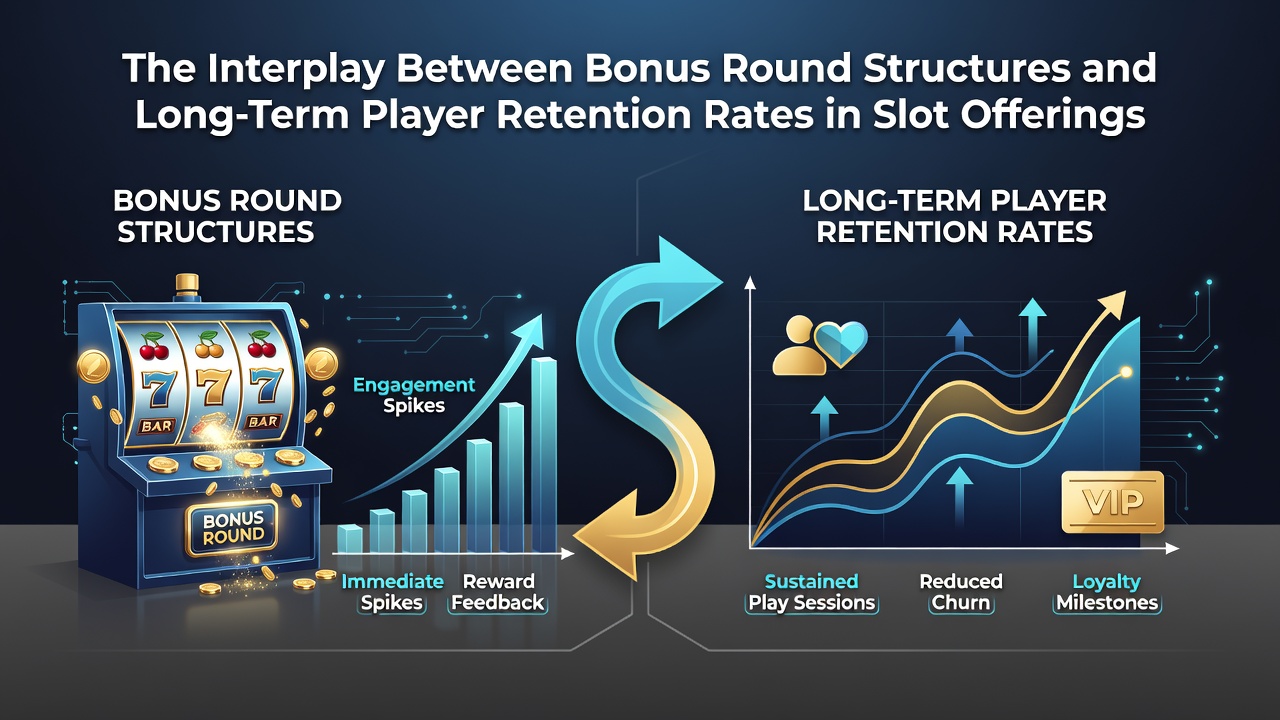
Free spins remain one of the most common formats, yet variations in multiplier accumulation and retrigger conditions create distinct retention profiles; hold-and-win mechanics, by contrast, build tension through coin collection and jackpot ladders, while pick-and-click options allow players to select from hidden prizes that alter payout trajectories. Researchers tracking user behavior across thousands of sessions note that these structural differences correlate with measurable differences in repeat visit rates, particularly when bonus frequency aligns with session length expectations.
Multipliers layered into bonus rounds further differentiate outcomes, because progressive escalation during free spins or respins encourages longer play sequences, and studies from academic gaming labs demonstrate that players exposed to escalating multipliers exhibit higher return probabilities within 30-day windows compared to flat-bonus designs.
Retention Data Patterns Across Markets
Figures from North American casino operators indicate that games featuring retriggerable free spins sustain 18 to 24 percent higher monthly active user counts than titles without such mechanics, and similar trends appear in Australian market reports where hold-and-win formats correlate with extended account lifecycles. The interplay becomes clearer when volatility levels interact with bonus accessibility, because low-frequency high-reward rounds tend to drive short-term spikes followed by drop-off, whereas moderate-frequency structures maintain steadier engagement curves.
European data compiled by independent research groups shows that players encountering bonus rounds within the first 50 spins demonstrate stronger 90-day retention than those facing longer dry spells, and this timing effect holds across multiple jurisdictions even after stake adjustments take effect in various regions by mid-2026.
Feature Complexity and Long-Term Engagement
Complexity within bonus rounds also shapes loyalty trajectories, and games that introduce layered choices or progressive elements often record superior retention when compared to simpler implementations; one analysis conducted by a Canadian university research team found that players who experienced nested bonus layers returned at rates 12 percent above baseline within quarterly tracking periods. Yet excessive complexity can produce the opposite result, because players who feel overwhelmed by decision trees during pick-and-click sequences sometimes reduce future session frequency.
Integration with base-game symbols, such as sticky wilds carrying over into bonus phases, creates continuity that researchers associate with smoother transitions and higher lifetime value metrics, and this continuity effect appears consistently in longitudinal datasets regardless of platform type.
Regulatory Context and Design Adjustments
Regulatory shifts scheduled across multiple territories by July 2026 prompt operators to recalibrate bonus structures, and designers now emphasize features that comply with new transparency requirements while preserving engagement drivers. Data collected prior to these changes already suggest that clear disclosure of bonus probabilities supports sustained trust, which in turn correlates with lower churn rates over multi-month horizons.
Industry associations in Asia-Pacific regions have published guidelines encouraging balanced bonus frequency, and operators adopting these recommendations report steadier retention curves compared to peers relying on sporadic high-impact rounds.
Case Examples From Operator Reports
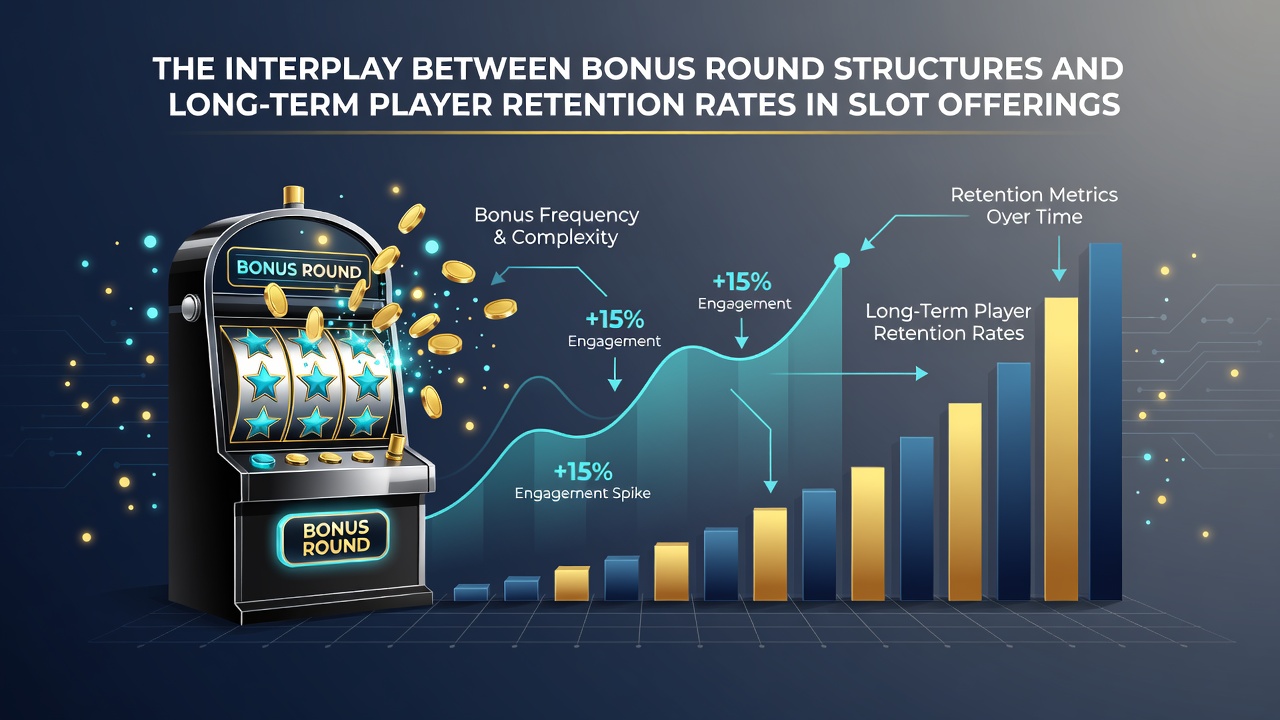
One major platform operator documented a 15 percent lift in six-month retention after introducing a hybrid bonus combining hold-and-win collection with occasional free-spin retriggers, and comparable results emerged when similar mechanics rolled out in Latin American markets. These examples illustrate how structural combinations, rather than isolated features, drive the measurable differences observers track in player cohorts.
Conclusion
The relationship between bonus round architecture and long-term retention rests on measurable interactions between frequency, complexity, timing, and regulatory compliance, and continued monitoring by research institutions will clarify which combinations deliver the most stable engagement patterns as markets evolve through 2026 and beyond. Nevada Gaming Control Board reports and academic studies from institutions such as the University of Nevada provide ongoing benchmarks that operators reference when refining these mechanics.