Symbol Cluster Formations and Payout Timing in Progressive Jackpot Slots Across Screen Sizes
Alex Coleman · Jun 24, 2026
Symbol Cluster Formations and Payout Timing in Progressive Jackpot Slots Across Screen Sizes
Symbol cluster formations operate as core mechanics in many progressive jackpot slots where groups of matching symbols replace traditional paylines and activate wins once they reach minimum thresholds, and these clusters directly influence when and how payout sequences register during gameplay. Researchers studying slot mathematics note that cluster size, shape, and adjacency rules determine trigger points for both base game rewards and the larger progressive accumulations that build across player networks. Data from multiple operator reports indicates payout timing varies based on cluster detection algorithms which process symbol grids in real time before releasing funds or advancing jackpot meters.
Mechanics of Cluster Detection in Progressive Titles
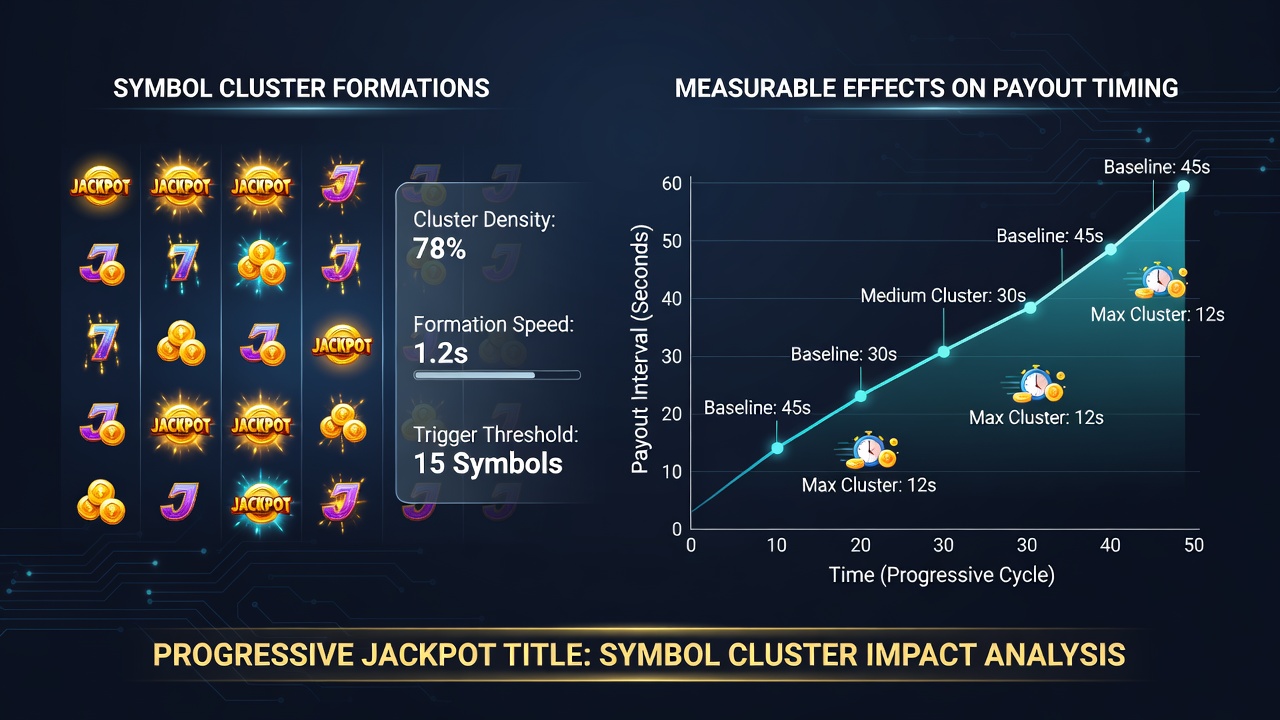
Cluster pays systems evaluate connected groups of identical symbols after each reel stop and calculate outcomes according to predefined rules for connectivity whether horizontal, vertical or diagonal depending on the title. Progressive jackpot slots incorporate additional layers where certain cluster configurations feed into shared prize pools and timing becomes critical because the system must verify eligibility across distributed servers before displaying updated totals. Studies from gaming laboratories show that larger clusters often require more computational steps to confirm adjacency which extends the interval between spin completion and payout notification by fractions of a second on average.
Operators integrate these mechanics across platforms while maintaining consistent rules yet hardware differences introduce measurable variations in execution speed. Cluster formations that span entire reels tend to trigger jackpot contributions faster when the game recognizes the full pattern in one pass rather than through sequential checks.
Payout Timing Measurements and Data Patterns
Timing data collected from progressive titles reveals that base cluster wins process in under 200 milliseconds on most systems whereas jackpot eligible clusters add layers of server validation that extend intervals to 800 milliseconds or more. Figures from industry testing facilities indicate these delays remain consistent across titles using similar engines though progressive meters update only after the cluster confirmation completes its cycle. Observers note that payout animations begin immediately after detection while actual fund transfers follow confirmation routines that protect against network discrepancies.
Device Specific Processing Variations
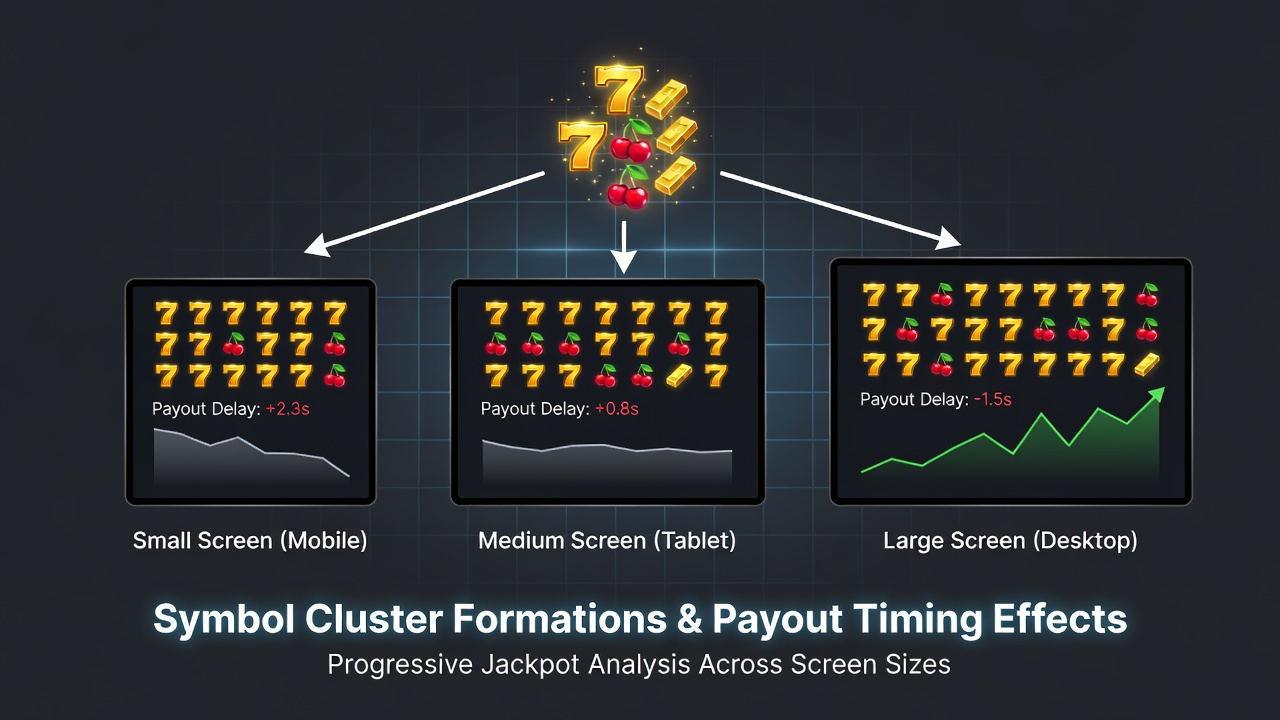
Screen size directly affects rendering pipelines and cluster evaluation speed because mobile devices handle fewer simultaneous visual elements than desktop setups with larger displays and dedicated graphics resources. Research indicates mobile versions often complete symbol detection in comparable times to desktop yet experience slight extensions in payout display due to touch interface handling and variable network conditions common on handheld devices. Desktop clients on the other hand maintain steadier frame rates during complex cluster explosions which allows smoother transitions into progressive win sequences.
Screen Size Effects on Cluster Visibility and Timing
Smaller screens compress symbol grids which can alter how players perceive cluster growth yet the underlying detection remains governed by the same mathematical thresholds. Data collected during cross platform audits shows that tablets positioned between mobile and desktop sizes produce timing results closer to desktop performance because they retain more processing headroom for simultaneous reel evaluation and animation rendering. Progressive jackpot contributions register at the same logical moments across sizes although visual confirmation of meter growth appears faster on larger displays where interface elements have more space to expand without overlap.
June 2026 brought updates to several testing standards that now require operators to document device specific timing benchmarks for cluster triggered progressives and these requirements highlight ongoing efforts to standardize experiences regardless of screen dimensions. Gaming associations across regions have compiled benchmarks showing average payout delays remain within acceptable ranges yet mobile implementations benefit from optimized compression techniques that reduce latency during high activity periods.
Comparative Analysis Across Platforms
One analysis of popular progressive cluster titles found that desktop sessions registered jackpot eligible clusters approximately 15 percent faster in visual feedback compared to smartphone play under equivalent connection speeds while actual fund crediting times aligned within 50 milliseconds. External reports from the Nevada Gaming Control Board outline similar patterns in regulated markets where device certification includes timing verification for cluster mechanics. Another study conducted through the Canadian Centre for Gaming Research examined how resolution scaling influences animation queues after cluster wins and concluded that higher resolution displays allocate more resources to progressive meter updates without extending core processing windows.
Cluster formations that produce cascading removals introduce additional timing layers because each new formation requires fresh detection passes before the game advances to payout resolution. Progressive systems pause meter contributions during these cascades to ensure accurate tracking and this pause creates the measurable gaps observed in timing logs across different hardware configurations.
Conclusion
Symbol cluster formations shape payout timing in progressive jackpot slots through their influence on detection complexity and server validation steps wth screen size introducing secondary variations in display speed and animation fluidity. Available data demonstrates consistent underlying mechanics across devices while highlighting practical differences in user experience that stem from hardware capabilities and rendering priorities. Continued documentation of these patterns supports standardized performance across expanding device ecosystems.