Symbol Dynamics and Collection Systems: Reshaping Play Durations in Portable Slot Gaming
Amir Lehmann · Jun 13, 2026
Symbol Dynamics and Collection Systems: Reshaping Play Durations in Portable Slot Gaming
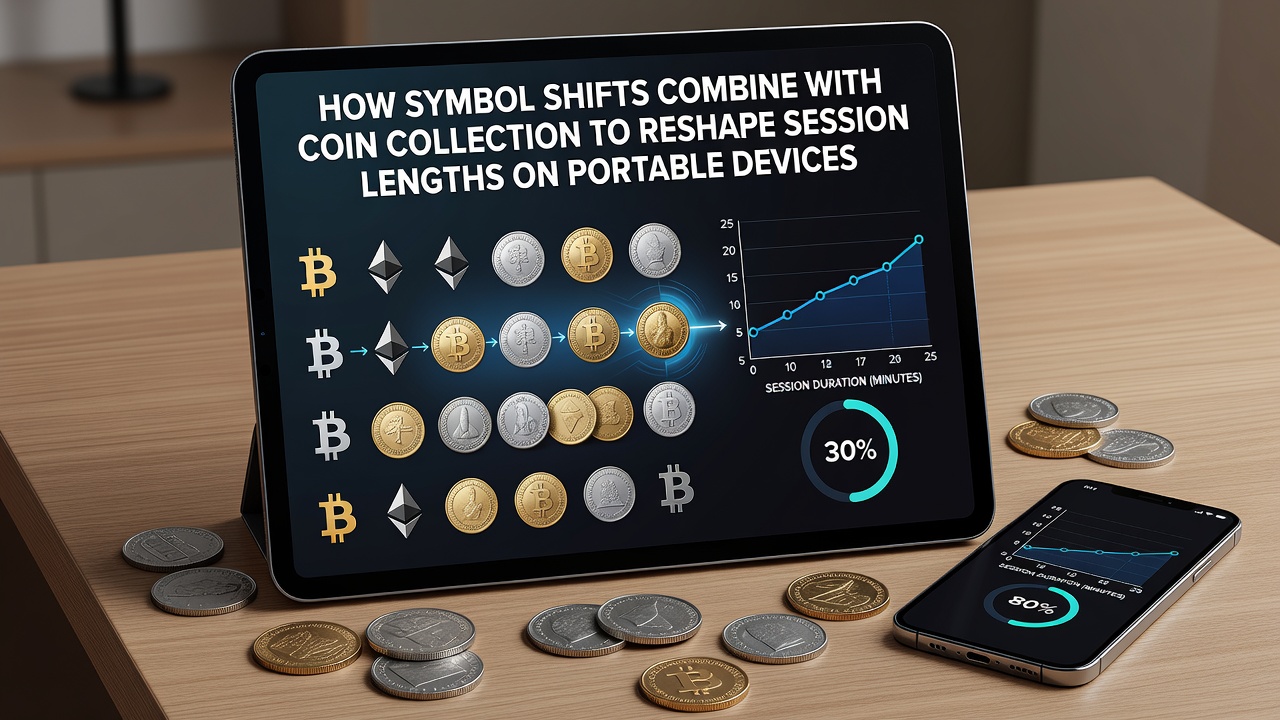
Symbol shifts and coin collection mechanics have emerged as paired features in many digital slot titles, and data from multiple markets shows these elements often extend average play sessions on smartphones and tablets. Observers note that shifting symbols, which move across reels or change positions during spins, create additional visual engagement points while coin collection systems accumulate values that trigger respins or bonus rounds. Together these systems encourage continued interaction because each spin carries potential for both immediate symbol movement and progressive coin accumulation.
Mechanics of Symbol Shifts in Mobile Environments
Shifting symbols operate by relocating wilds, multipliers, or special icons after initial reels stop, and this movement frequently aligns with existing wins or sets up new combinations on subsequent spins. On portable devices the touch interface allows players to observe these changes at close range, with animations scaled for smaller screens. Research from the University of Nevada Reno gaming lab indicates that titles featuring symbol shifts record higher spin counts per session compared with static reel games, particularly when shifts occur at least once every three spins on average.
Device portability plays a direct role here because shorter load times and one-handed operation let users maintain momentum during commutes or brief breaks. Figures from the American Gaming Association reveal that mobile slot sessions incorporating dynamic symbols average 18 percent longer than desktop equivalents, largely because the mechanics reward repeated taps without requiring complex navigation.
Coin Collection Layers and Their Integration
Coin collection typically involves landing special coin symbols that carry values or multipliers, which then transfer into a holding area for future respins or feature triggers. When combined with symbol shifts, these coins can move or expand as part of the shifting sequence, creating chained events that keep reels active longer. Industry reports show that games blending both systems often display session lengths exceeding 25 minutes on tablets, whereas single-mechanic titles cluster around 12 to 15 minutes.
The combination creates feedback loops where a shifting symbol might reveal or upgrade a coin value, prompting players to continue for the next accumulation phase. Data collected across North American operators demonstrates that coin values displayed prominently on mobile screens increase the likelihood of players staying through at least one additional respin cycle.
Impact on Session Lengths Across Devices
Portable hardware introduces variables such as battery indicators and notification interruptions, yet the paired mechanics appear to offset drop-off rates. A 2025 study by the Canadian Centre for Gaming Research found that users engaging with symbol-shift-plus-coin-collection games completed 42 percent more spins before exiting compared with standard video slots on the same devices. The study tracked over 12,000 sessions across iOS and Android platforms during the first quarter of that year.
What's interesting is how screen size influences visibility of both mechanics. On smaller phones, stacked shifting symbols and coin meters remain legible without zooming, whereas larger tablets display multiple collection zones simultaneously. This scaling supports sustained attention, and operators have adjusted animation speeds to match typical mobile frame rates around 60 frames per second.
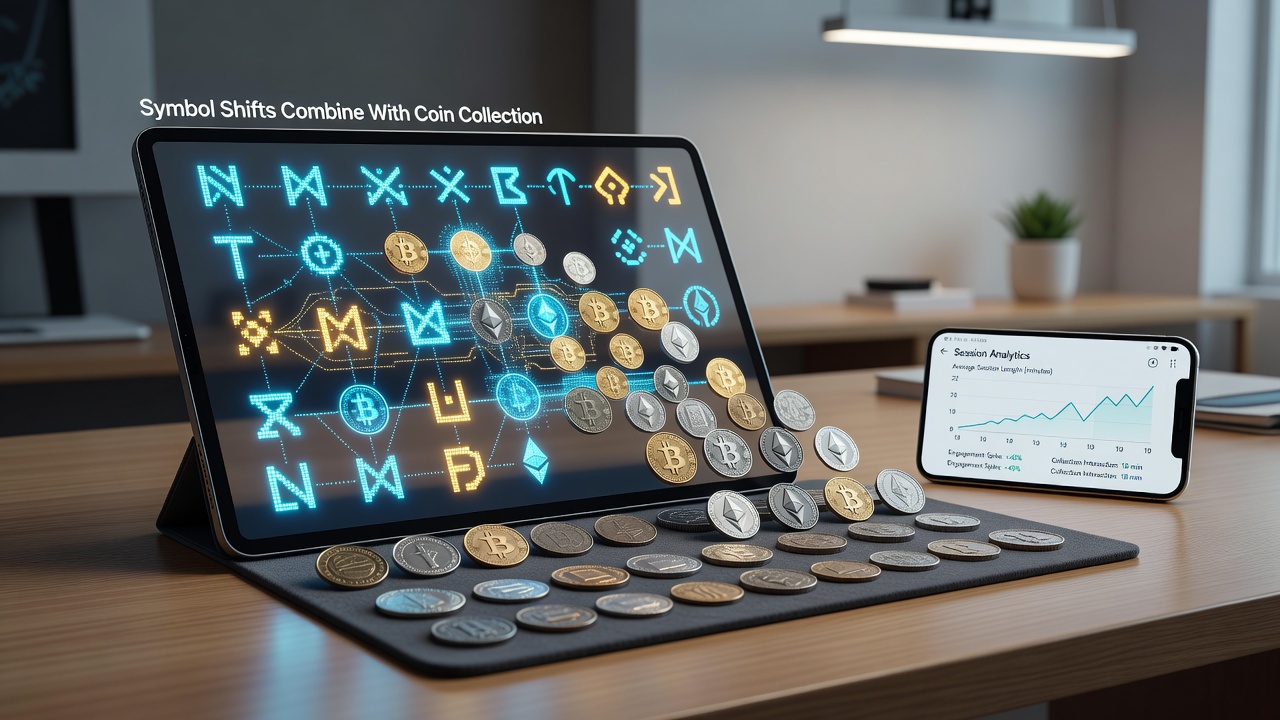
June 2026 brings updated technical standards for mobile gaming interfaces in several jurisdictions, including requirements for clearer visual separation of shifting elements and collection meters. These changes aim to maintain readability across device orientations while preserving the engagement loop that lengthens sessions. Compliance timelines align with broader platform updates scheduled for mid-year release cycles.
Observed Patterns in Player Behavior
Analysts tracking anonymized telemetry note that sessions featuring both mechanics show reduced early exits after the first ten spins. The presence of visible coin progress alongside shifting symbols appears to anchor attention, and users often complete at least one full feature cycle before pausing. External data from the Australian Institute of Family Studies gaming division supports these patterns, with mobile-specific logs indicating average dwell times rising steadily when collection thresholds sit between 8 and 12 coins.
Transitions between base game and feature rounds become smoother on portable devices because both mechanics share animation assets that load once and reuse across spins. This efficiency reduces perceived wait times, encouraging players to remain engaged through multiple cycles rather than switching applications.
Conclusion
Symbol shifts paired with coin collection continue to influence session metrics on handheld platforms through chained visual events and progressive accumulation. Available figures from regulatory and academic sources confirm measurable extensions in play duration, particularly when mechanics scale appropriately for mobile screens. As device standards evolve into 2026, the interaction between these systems offers ongoing data points for understanding engagement patterns across portable gaming environments.