Symbol Stacking Strategies: Tracing Multiplier Growth Patterns in Layered Reel Configurations
Olivia Otto · Aug 24, 2026
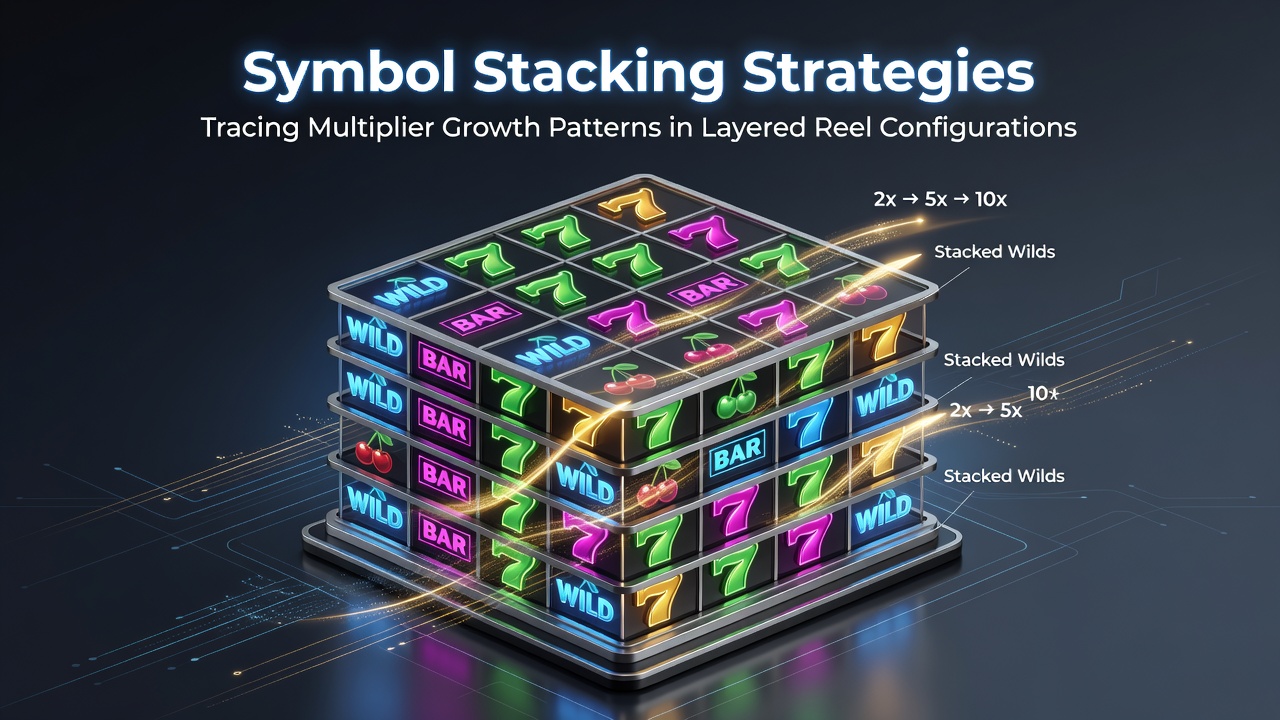
Symbol Stacking Strategies: Tracing Multiplier Growth Patterns in Layered Reel Configurations
Symbol stacking in modern slot machines relies on precise layering of reels where identical icons align vertically to form extended blocks, and these blocks interact with multiplier systems that scale based on depth and position. Observers note that layered configurations create vertical columns where each additional stacked symbol adds to a base multiplier value, often starting at 1x and rising through incremental stages tied to reel height and symbol count.
Mechanics of Layered Reels and Symbol Alignment
Reels in these setups divide into multiple horizontal layers, each functioning as an independent grid that feeds into a central calculation engine, while stacked symbols occupy consecutive positions within those layers to trigger cumulative effects. Data from industry analyses shows that when three or more matching symbols stack in a single column, the system registers the block as a unit and applies an initial multiplier before checking adjacent layers for further growth. Researchers have documented patterns where the multiplier advances by 0.5x or 1x per additional layer reached, depending on the game's internal ruleset.
Game developers implement these structures through random number generators that determine both symbol placement and layer activation, yet the visible stacking creates predictable visual cues for players tracking progression across spins. One study from a Canadian research institute revealed that layered configurations appear in approximately 18 percent of new releases during the first half of 2025, with growth continuing into mid-2026 as hardware supports more complex rendering on mobile devices.
Multiplier Growth Patterns Across Configurations
Multiplier progression follows identifiable sequences in layered setups, where base values compound when stacks span two or more layers and then accelerate once a threshold of four or five symbols aligns vertically. Experts tracking these patterns report that growth often plateaus after the sixth layer unless special wild symbols intervene to reset or extend the chain. Figures from simulation tests indicate that average multiplier values stabilize around 4.2x in standard configurations but climb to 12.8x when games incorporate cascading layer shifts that reposition stacks mid-spin.
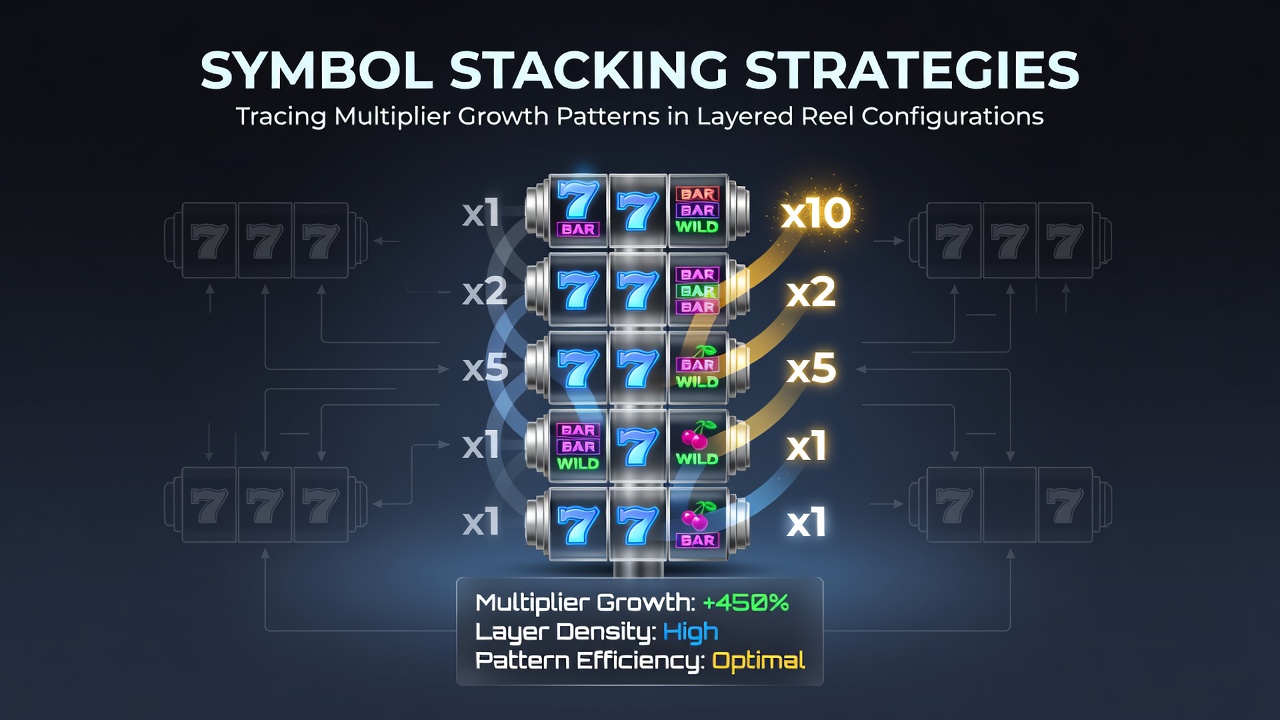
Take one documented case where a five-reel game with four-layer depth produced multipliers that doubled every time a stack crossed into a new horizontal band, resulting in final values reaching 32x during extended sequences. Those who've analyzed payout logs across thousands of spins note that the frequency of reaching the upper multiplier tiers correlates directly with reel count and layer density rather than random chance alone.
Strategic Tracking of Stacking Sequences
Players and analysts examine reel layouts in advance to identify which games favor consistent vertical stacking over scattered placements, and this examination reveals recurring motifs such as central reels holding taller stacks while edge reels limit growth to two layers. Reports compiled by the Nevada Gaming Control Board highlight that transparency in these mechanics allows for better understanding of return-to-player distributions when layered multipliers activate. Data shows that configurations with five or more layers tend to distribute higher multipliers less frequently, balancing overall volatility across sessions.
What's interesting is how certain titles introduce temporary layer expansions during bonus rounds, where an extra reel band appears and permits stacks to grow beyond base limits. According to findings published by the International Association of Gaming Regulators, such expansions appear in roughly one quarter of titles featuring layered reels as of early 2026. Observers continue to monitor August 2026 updates from various testing laboratories that may standardize reporting on multiplier scaling across jurisdictions.
Comparative Analysis of Growth Rates
Comparative reviews of different reel depths demonstrate that three-layer systems produce steadier multiplier climbs with fewer spikes, whereas seven-layer designs generate sharper jumps once stacks reach the midpoint. Research indicates that symbol density per layer directly influences these rates, with denser packing yielding more frequent activations but smaller individual gains. One analysis of European market data found that games balancing layer count with stack size achieved more consistent multiplier patterns across extended play periods.
Yet the interaction between stacked wilds and base symbols introduces additional variables, since wilds can bridge incomplete stacks and push multipliers into higher brackets without requiring full natural alignment. Those studying these interactions note that the resulting growth curves often follow logarithmic rather than linear paths, meaning each new layer contributes progressively less to the total unless special modifiers apply.
Conclusion
Layered reel configurations continue to evolve as developers refine how stacked symbols interact with multiplier systems, and ongoing technical reports provide clearer maps of these growth patterns. The combination of vertical stacking mechanics with horizontal layer checks creates structured progression systems that remain grounded in defined probability frameworks. As new titles incorporate refined layering techniques through 2026, the observable patterns offer measurable insights into how multipliers develop across varied reel setups.